
Read Galway history through its streets
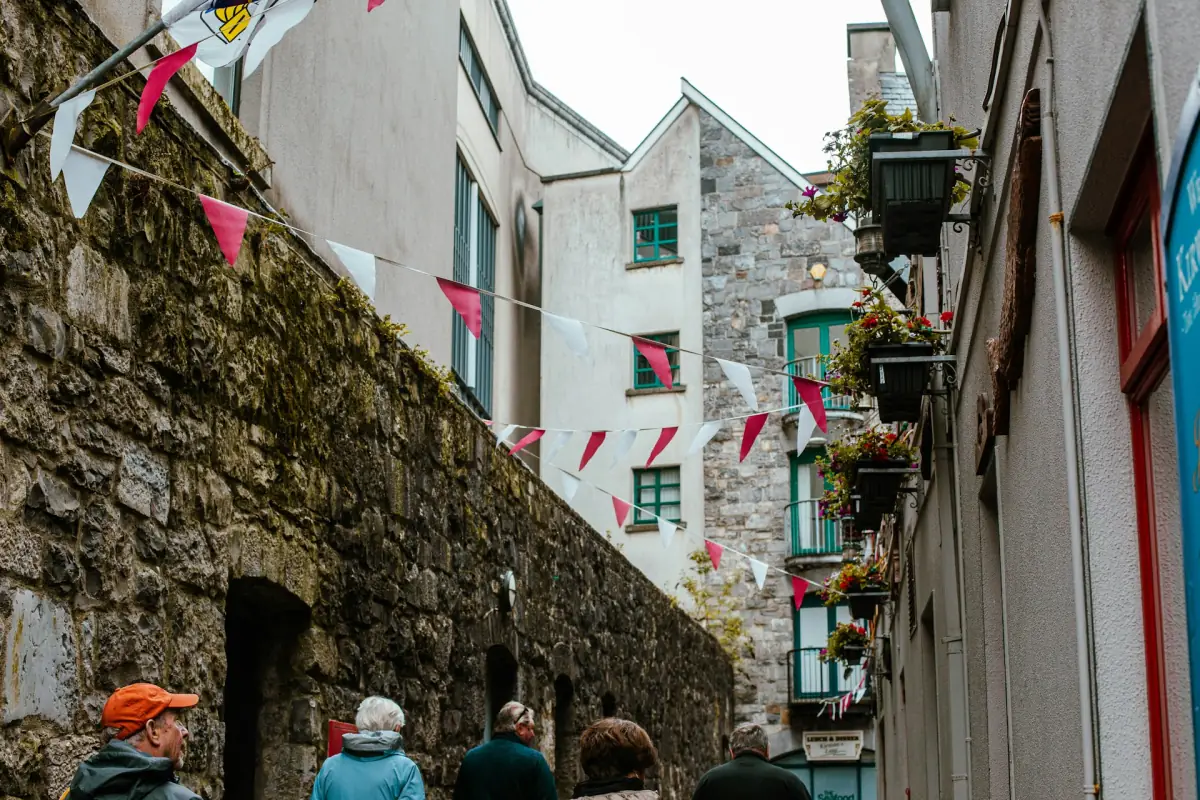
Galway history is shaped by its port and by trading families whose influence survives in the city’s familiar nickname. The “City of the Tribes” refers to 14 merchant families, while maritime connections with France and Spain form part of the trading background. Begin with that relationship between streets and sea rather than treating every old-looking building as belonging to the same period.
A useful visit moves between the historic core, Eyre Square and a modern cultural stop. The medieval street structure, nineteenth-century civic and commercial buildings, and a cathedral consecrated in 1965 represent different layers. Looking at them together helps make sense of Galway as a city that developed over time, with the port as one thread running through its story.
The port, the tribes and overseas trade
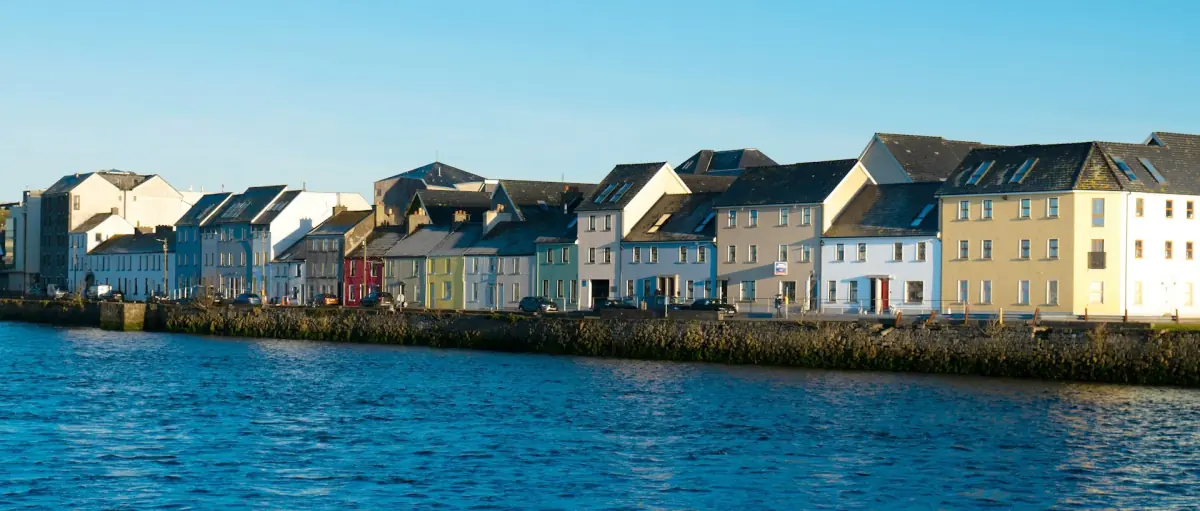
The merchant families are a starting point for understanding the nickname, rather than a list of attractions to collect. Their influence and Galway’s overseas trade belong in the same account of the city. Thinking about the port makes the connection tangible: the waterfront is part of the setting in which commerce developed, not simply a scenic ending to a shopping walk.
France and Spain feature in the history of that trade. These connections give context to Galway’s outward-looking role without requiring a dramatic visitor story or a single founding moment. Keep your walk focused on what each place helps explain. A view towards the water can open a discussion of trade, while the scale and layout of the old streets invite a closer look at the urban core.
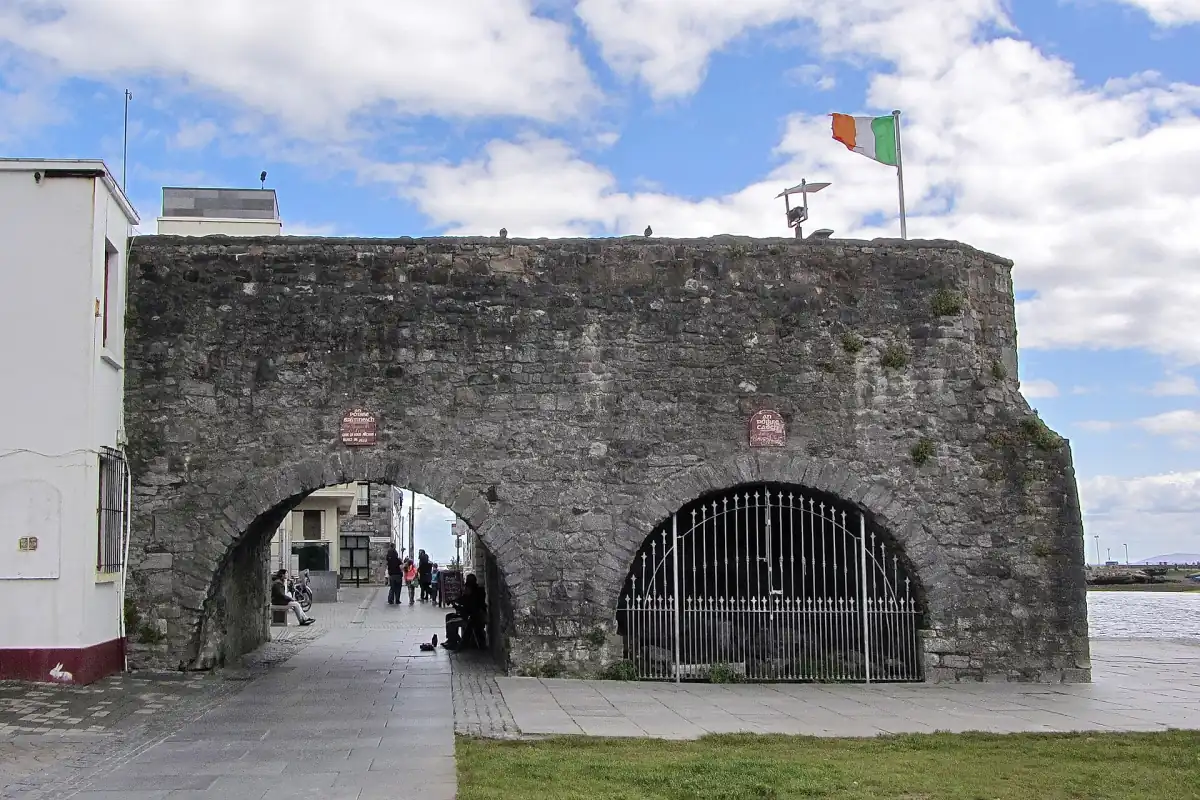
Spanish Arch is a practical point from which to continue towards the coast. The municipal walking route starts there and passes through Claddagh towards Salthill. A short waterfront extension can complement a history-focused day, but the full coastal walk is a separate activity. See things to do in Galway for the wider city context.
Our picks: Galway history walk
This guided walk gives you a way to explore Galway on foot with a local guide.
Hand-picked tours, booked through GetYourGuide. Prices are indicative starting prices in euros (as of October 2026). Tap a tour for live availability and the current price in your currency.
A guided introduction to darker history
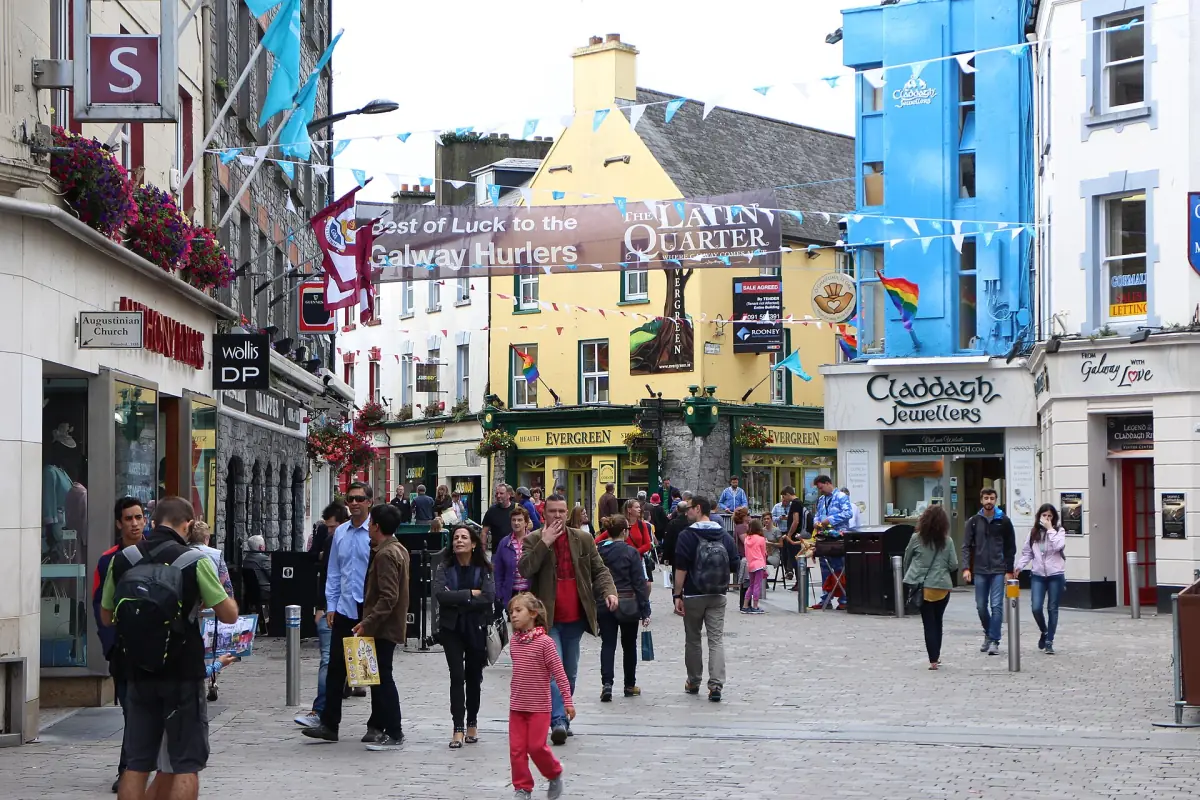
Add a local guide’s dark-history walk to your independent exploration of the city’s historical streets.
Medieval streets and nineteenth-century Eyre Square
The city describes the core within the former walls as developing from the thirteenth century. That is a useful framework for reading the street pattern, without assigning every surviving façade to the medieval period. Look at the relationship between narrow routes and the buildings along them. The interest lies in how the older urban structure and later uses occupy the same part of town.
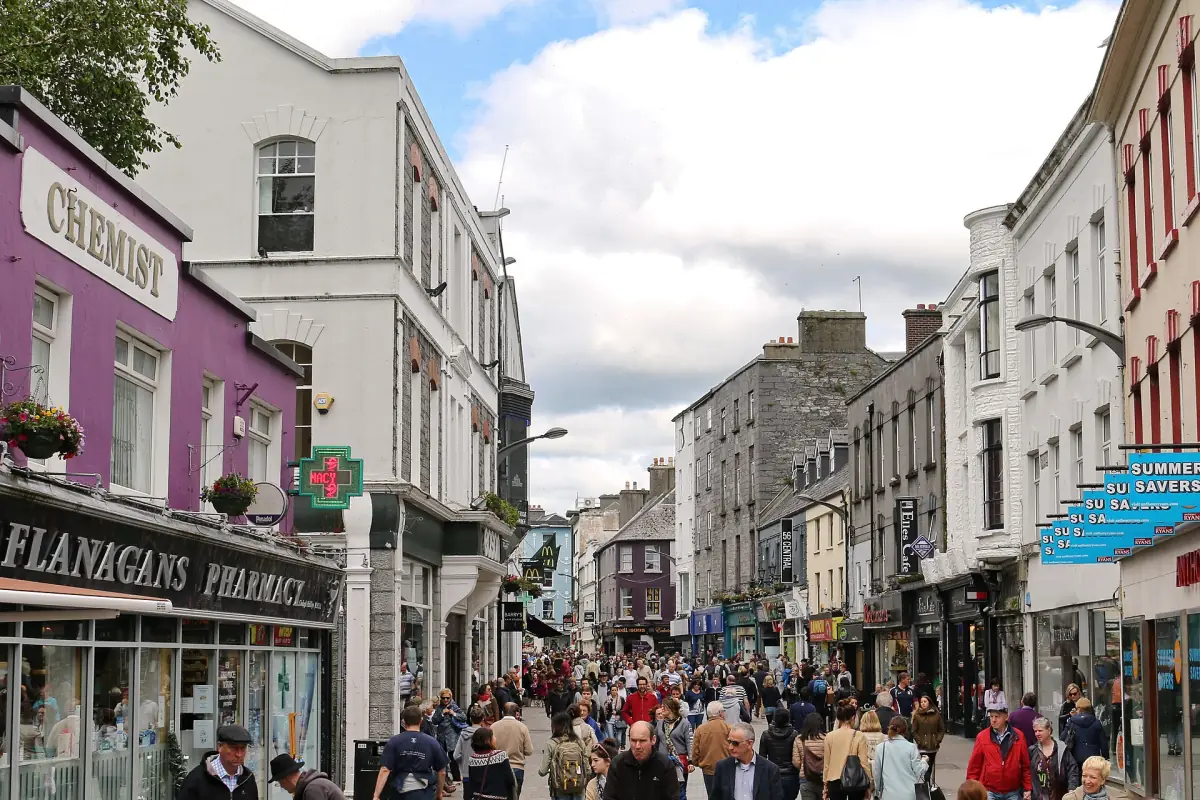
Around Eyre Square, the architectural emphasis changes. Banks, the railway station and Georgian-influenced terraces belong to the larger nineteenth-century cityscape described by the council. Compare the spaces around these buildings with the streets of the historic centre. This gives a concrete purpose to moving between areas: you are looking at different phases of the city rather than repeating a circuit of the same landmarks.
The free Wonder Wander maps offer a way to explore this architecture independently. Their routes include St Nicholas’ Collegiate Church and the Browne Doorway, with digital and printed maps available. The city’s April 2026 description puts the walks at approximately 2.5 km. For a guided alternative, the walking tour page handles the booking comparison.
The cathedral belongs to a later chapter
Galway Cathedral was consecrated on 15 August 1965. Its appearance should therefore be read separately from the medieval street story. It is a Roman Catholic cathedral dedicated to Our Lady Assumed into Heaven and St Nicholas. Including it in a historical walk makes the timeline broader, with a twentieth-century religious building alongside much older urban patterns.
Entry is free, with a suggested donation of EUR 3. Sightseeing during Mass is discouraged, so leave flexibility around worship rather than building a rigid interior visit into the walk. Ordinary visiting groups do not need advance booking. A visit is an opportunity to compare periods respectfully while remembering that this is a working place of worship.
Use the museum as a present-day starting point
Galway City Museum offers another way into the city’s past. Normal admission is free and the suggested donation is EUR 5. The regular schedule is Tuesday to Saturday, 10:00 to 17:00, with galleries closing at 16:45. Sunday opening applies only from Easter to mid-September, so a November visit needs a different plan.
The museum closes on Christmas Day, St Stephen’s Day, St Patrick’s Day and Good Friday. Allow the museum and outdoor walk their own time, rather than assuming both fit around a late arrival. For a day that also includes a tasting walk or an evening outing, use the Galway guide to connect the historical visit with the rest of your stay.
Questions about Galway history
What does City of the Tribes mean?
It refers to 14 influential merchant families. Maritime trade, including connections with France and Spain, is part of the city’s historical background.
Is Galway Cathedral medieval?
The cathedral was consecrated in 1965. Treat it as a later chapter alongside the medieval street structure and nineteenth-century buildings.
Can I visit the museum on a Monday?
Monday is not a regular opening day. Plan a normal museum visit from Tuesday to Saturday, with Sunday opening only from Easter to mid-September.